
Lumecca vs BBL (BroadBand Light): 7 Key Differences Between Two Leading IPL Photofacials
October 26, 2026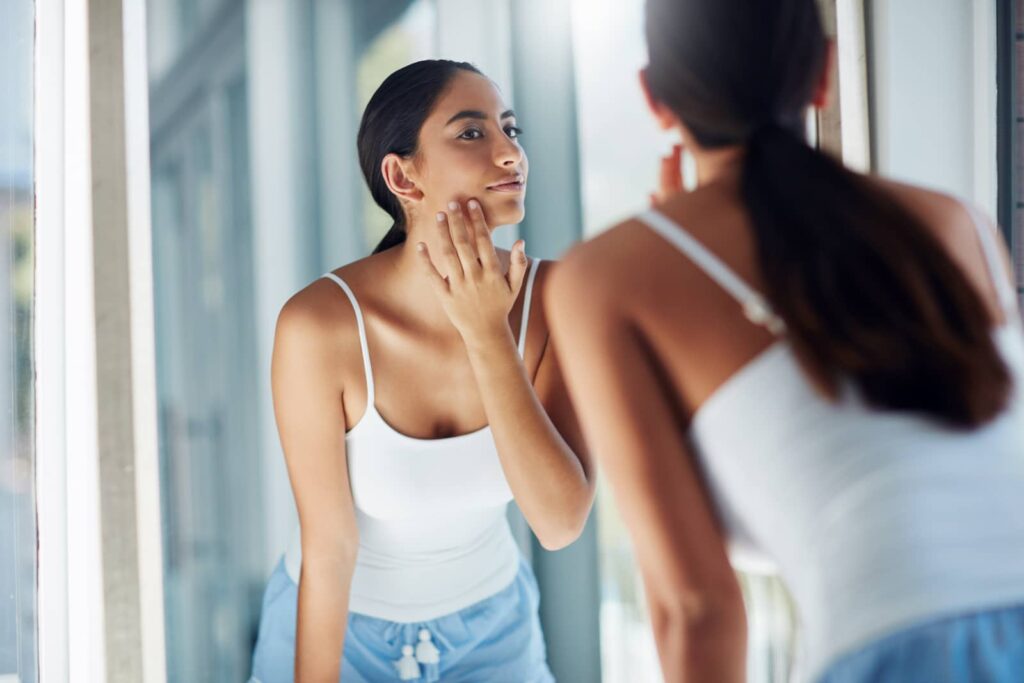
If your teenager has started spending more time studying the bathroom mirror than their homework, you are not alone. Acne is one of the most common reasons teens ask their parents for help with their skin, and a teenage facial is often the first professional treatment families consider. It feels approachable, it does not require a prescription, and many teens see it as a confidence boost before school photos, prom, or a new sports season.
But a teenage facial is not a one-size-fits-all fix. The right treatment, performed by the right provider at the right time, can calm congestion, reduce blackheads, and teach your teen healthy skincare habits that last for years. The wrong treatment, or a teenage facial booked when your teen actually needs medical acne care, can leave skin irritated, inflamed, or even scarred.
This guide walks you through what parents should understand before booking a teenage facial for acne: what the treatment involves, which teens are good candidates, which questions to ask, how a teenage facial fits alongside dermatology care, and what to expect at a physician-led practice like Tatoyan MD Medspa.
Key takeaways for parents
- A teenage facial can help with clogged pores, blackheads, whiteheads, and mild breakouts, but it does not replace medical treatment for moderate or severe acne.
- Deep, painful cysts or nodules, scarring, or acne that hasn’t improved after a few months of consistent home care call for a medical evaluation first.
- Always disclose prescription acne medications, especially isotretinoin and topical retinoids, before any teenage facial treatment.
- The best teenage facial is gentle, customized, and paired with a simple home routine your teen will actually follow.
- Results build over a series of sessions; one teenage facial is rarely enough on its own.
Why Teen Acne Happens (and Why a Teenage Facial Alone Isn’t a Cure)
Before choosing any teenage facial, it helps to understand what is happening beneath your teen’s skin. Acne is extremely common during adolescence; the American Academy of Dermatology estimates that roughly 85% of people between the ages of 12 and 24 experience at least minor acne. Puberty triggers a rise in androgen hormones, which signal the skin’s oil glands to produce more sebum. That extra oil, combined with dead skin cells that don’t shed properly, plugs the pores.
The Four Drivers of Adolescent Breakouts
Dermatologists generally describe acne as the result of four overlapping factors:
- Excess oil production driven by hormonal changes during puberty
- Clogged hair follicles caused by dead skin cells sticking together inside the pore
- Bacteria (Cutibacterium acnes) that multiply inside clogged, oily pores
- Inflammation, which turns a simple clogged pore into a red, swollen, sometimes painful pimple
According to the National Institute of Arthritis and Musculoskeletal and Skin Diseases (NIAMS), everyday factors such as friction from helmets and tight sports gear, picking or squeezing blemishes, harsh scrubbing, and stress can make existing acne worse. Dirt does not cause blackheads, which is why aggressive face washing tends to backfire.
Here is the important part for parents: a teenage facial works on the surface level of this process. It clears clogged pores, removes dead skin buildup, and calms the skin, but a teenage facial cannot change hormone levels or treat deep inflammation on its own. The most effective teen acne plans treat the teenage facial as one part of the strategy, not the whole thing.

What Is a Teenage Facial?
A teenage facial is a professional skin treatment designed for younger, hormonally active skin. Unlike a relaxation-focused spa facial, a teenage facial for acne-prone skin prioritizes deep cleansing, gentle exfoliation, careful extractions, and oil control, while protecting the skin barrier that teens often damage with harsh products.
A typical teenage facial includes:
- A skin analysis to identify the acne type (blackheads, whiteheads, inflamed papules, or deeper lesions)
- Thorough cleansing to remove oil, sunscreen, and makeup residue
- Exfoliation, often with a mild acid such as salicylic acid, which can penetrate oily pores
- Professional extractions of appropriate blackheads and whiteheads
- A calming or clarifying mask
- Lightweight, non-comedogenic hydration and broad-spectrum sunscreen
- Home-care guidance tailored to your teen’s skin
How a Teen Acne Facial Differs From a Standard Spa Facial
The difference between a generic facial and a medically guided teenage facial is significant. Heavy massage creams, fragranced oils, and long steaming sessions, all common in relaxation facials, can clog pores and aggravate inflamed acne. A well-designed teenage facial uses non-comedogenic products, limits heat and friction, and leaves inflamed or deep lesions alone rather than forcing them.
In a physician-led setting like Tatoyan MD Medspa, the teenage facial is also informed by medical oversight. Your teen’s provider can recognize when breakouts look like more than typical teen acne, such as acne that may be linked to a medication, a hormonal condition, or a skin condition that only resembles acne, and recommend appropriate next steps.
Is My Teen Ready for a Teenage Facial? Age and Readiness
There is no single “right” age for a first teenage facial. Acne often begins around the start of puberty, which can be before the teen years. Readiness depends less on age and more on a few practical questions:
- Does your teen have acne that bothers them? A teenage facial should respond to a genuine skin concern, not a social media trend.
- Can your teen tolerate the treatment? Extractions can be uncomfortable. Younger teens often do better with a shorter, gentler first teenage facial.
- Will your teen follow a home routine? Results fade quickly when daily care is inconsistent.
- Is your teen motivated, or is this mainly your idea? Teens who feel ownership of their skincare tend to see better results.
For younger teens, a first teenage facial is as much about education as treatment. A good provider will explain why picking makes acne worse, how to choose non-comedogenic products, and why using more products rarely means better skin. Those lessons can save your teen years of trial and error, and they make every future teenage facial more effective.

Teenage Facial vs. Dermatologist: Knowing Which Comes First
This is the most important decision parents make, and it is where many families go wrong. A teenage facial is an excellent tool for mild, comedonal acne: the blackheads and whiteheads that cluster on the nose, chin, and forehead. It is not the right first step for every type of breakout.
Signs Your Teen Needs a Medical Acne Evaluation First
Schedule an evaluation with a physician or board-certified dermatologist before, or alongside, a teenage facial if your teen has:
- Deep, painful bumps under the skin (nodules or cysts)
- Acne that is leaving scars, pits, or lasting dark marks
- Breakouts covering large areas of the face, chest, or back
- Acne that hasn’t improved after two to three months of consistent over-the-counter treatment
- Sudden, severe acne, or acne alongside irregular periods, excess hair growth, or rapid weight change
- Acne that is affecting their mood, self-esteem, or willingness to go to school or socialize
The American Academy of Dermatology notes that prescription acne treatment typically takes at least six to eight weeks before breakouts noticeably decrease, and that consistency with the plan is what drives clearing. Early treatment matters: scarring from inflammatory acne is permanent, and controlling it sooner lowers that risk.
How a Teenage Facial Complements Prescription Treatment
A medical plan and a teenage facial are not competitors. Many teens get the best outcome when the two work together. While prescription topicals or oral medications address root causes, a carefully adjusted teenage facial can:
- Clear stubborn blackheads and whiteheads that linger even on medication
- Soothe the dryness and flaking that retinoids and benzoyl peroxide can cause
- Reinforce good habits and keep teens motivated between doctor visits
- Help improve the look of skin texture as breakouts settle
The key is communication. Your teen’s provider needs to know exactly which medications they use, because certain prescriptions make skin far more sensitive to exfoliation, extractions, and peels.
Types of Teenage Facial Treatments for Acne-Prone Skin
Not every teenage facial looks the same. Depending on your teen’s skin type, acne severity, and medications, a provider may recommend one of the following options.
Deep-Cleansing Facial With Professional Extractions
This is the classic teenage facial for congested skin. After cleansing and softening the skin, a trained provider removes blackheads and whiteheads with sterile tools and controlled technique, which reduces the trauma and infection risk that come with squeezing at home. Just as important, a skilled provider knows what not to extract. Deep, inflamed cysts should never be forced, because pressure can push bacteria deeper and increase the risk of scarring.
HydraFacial for Congested Teen Skin
The HydraFacial at Tatoyan MD Medspa uses a specialized device that combines gentle suction with cleansing, exfoliating, and hydrating serums to clear out pores and lift away dead skin cells. It is well suited to oily, congested skin and enlarged-looking pores, and there is no downtime, so teens can return to school or practice right away. For many families, a HydraFacial-based teenage facial is an appealing middle ground: more thorough than a basic cleansing facial, yet gentle enough for most teen skin.
Light Chemical Peels for Teen Acne
Chemical peels use acids to loosen dead skin cells and unclog pores. Mild peels containing ingredients like salicylic acid can help reduce breakouts and smooth texture over a series of treatments. Tatoyan MD Medspa offers The Perfect Derma™ Peel, a medical-grade peel formulated to help control acne and improve the look of acne scars, with an acne-specific booster option. Because a medical-grade peel is stronger than a standard teenage facial, it is generally reserved for older teens with persistent acne, and only after a provider has reviewed their skin type, medications, and allergies. Peel strength and any booster should always be a medical decision, not a menu choice.
Treatments That Usually Wait Until Acne Is Under Control
Parents may also hear about radiofrequency microneedling such as Morpheus8, laser resurfacing, or intense pulsed light. These are generally used for acne scars, lingering redness, or texture rather than as a first-line teenage facial for active breakouts. In most cases they are considered only once active acne is well controlled, often in late adolescence or adulthood, and always after a physician evaluation.
Safety Questions to Ask Before Booking a Teenage Facial
The quality of a teenage facial depends heavily on who performs it and how carefully your teen is screened beforehand. Before you book, ask:
- Who will perform the teenage facial, and what is their training? Look for licensed professionals working under medical oversight.
- Is a physician involved? A physician-led practice can spot acne that needs medical care and adjust treatments safely.
- Will the teenage facial be customized? Avoid packages that treat every client identically.
- What products are used? Ask whether they are non-comedogenic and low in fragrance.
- How are extractions handled? The answer should include sterile technique and a clear rule against forcing inflamed lesions.
- How do you protect darker skin tones? Teens with medium to deep skin tones are more prone to dark marks after inflammation (post-inflammatory hyperpigmentation), so gentle technique matters.
Medications and Ingredients to Disclose
Make a list of everything your teen applies to their skin or takes by mouth, and bring it to the appointment. Pay special attention to:
- Oral isotretinoin: This powerful acne medication makes skin fragile and slow to heal. Traditional guidance has been to avoid waxing, peels, and aggressive exfoliation during treatment and for about six months afterward. More recent expert reviews suggest some superficial procedures may carry less risk than once believed, but most aesthetic practices remain conservative and coordinate with the prescribing dermatologist.
- Topical retinoids (tretinoin, adapalene, tazarotene): These increase sensitivity. Your teen may need to pause them for several days before an exfoliating teenage facial or peel, as directed by their provider.
- Benzoyl peroxide and salicylic acid products: The FDA has warned that certain over-the-counter topical acne products containing these ingredients can, rarely, cause serious allergic reactions. The agency advises new users to apply a small amount to one or two small affected areas for three days before wider use, and to seek emergency care for throat tightness, breathing difficulty, faintness, or facial swelling.
- Oral antibiotics: Some, such as doxycycline, increase sun sensitivity.
- Allergies: Including aspirin or salicylate sensitivity, which matters for salicylic acid-based treatments.
Consent, Privacy, and Having a Parent Present
In California, patients under 18 generally need a parent or legal guardian’s consent for medical aesthetic treatment. Expect to complete intake forms and a medical history together, and ask whether you can be present during your teen’s first teenage facial. Many teens feel more relaxed with a parent nearby the first time; older teens may prefer privacy for later sessions, which you can arrange with the provider in advance.
What Happens During a Teenage Facial at Tatoyan MD Medspa
Knowing what to expect makes the first teenage facial far less intimidating. Every plan is customized, but a visit generally follows these steps:
- Consultation and skin assessment. Your teen’s provider reviews medical history, medications, current products, and goals, then identifies the acne type and whether a medical referral makes sense first.
- Treatment selection. Based on that assessment, your teen may start with a classic teenage facial or a HydraFacial, with a light peel considered later if appropriate.
- Cleansing and exfoliation. Oil and buildup are cleared gently, without harsh scrubs.
- Extractions. Only appropriate blackheads and whiteheads are removed; inflamed lesions are left alone.
- Calming and protection. A soothing mask, non-comedogenic moisturizer, and broad-spectrum sunscreen finish the treatment.
- Home-care plan. Your teen leaves with a simple routine and guidance on medical-grade skincare, such as the skinbetter science® line the practice carries, if appropriate.
Tatoyan MD Medspa is a physician-led practice backed by more than 40 years of medical experience, and that perspective shapes every teenage facial: treat conservatively, screen carefully, and refer for medical care when a facial alone isn’t enough.

Aftercare: Helping Your Teen Protect Their Teenage Facial Results
What your teen does in the days after a teenage facial matters as much as the treatment itself. Share these aftercare basics:
- Hands off. Mild redness after extractions usually fades within hours to a day; picking undoes the work.
- Keep it simple. Use a gentle cleanser twice daily and skip scrubs and strong actives for a few days unless the provider says otherwise.
- Go light on makeup. Ideally skip it for the rest of the day, then use non-comedogenic formulas.
- Wear sunscreen daily. Exfoliation and many acne medications increase sun sensitivity, so broad-spectrum SPF 30 or higher is essential.
- Clean the contact points. Wash pillowcases often, wipe phone screens, and clean helmets and chin straps.
- Shower after sports. Sweat trapped under gear can trigger breakouts.
A few small breakouts in the days after a teenage facial can happen as congestion surfaces. Contact the provider for worsening pain, swelling, or signs of infection.
How Often Should a Teen Get a Teenage Facial? Realistic Expectations
During an active acne phase, many providers suggest a teenage facial roughly every four weeks, then spacing visits out once skin is under control. More is not better: over-treating weakens the skin barrier and can trigger more breakouts.
Set expectations early. One teenage facial can make skin look cleaner and brighter, but meaningful change in acne usually takes a series of sessions plus consistent home care. If a big event is coming up, schedule a teenage facial at least a week ahead, and a peel at least two weeks ahead, so any redness or peeling has time to settle. When comparing teenage facial cost between practices, ask about series pricing and what the consultation includes, not just the single-session price.
Supporting Your Teen’s Confidence Beyond the Treatment Room
Acne affects more than skin. Even mild breakouts can shake a teen’s confidence, and some teens begin avoiding photos, activities, or friends. Take their concerns seriously, avoid offhand comments about their skin, and resist constant reminders about their routine, which can feel like nagging. If you notice withdrawal, persistent sadness, or changes in sleep or appetite, talk with your teen’s pediatrician. A teenage facial can be a positive step, but your support is what helps your teen feel comfortable in their own skin.
Book a Teenage Facial Consultation at Tatoyan MD Medspa
If you’re weighing a teenage facial for your son or daughter, start with a consultation. The team at Tatoyan MD Medspa will assess your teen’s skin, review their medications, explain which options fit their acne, and tell you honestly when a medical evaluation should come first.
Frequently Asked Questions About Teenage Facials
What age can a teen get a facial for acne?
There is no fixed minimum age. Many teens book their first teenage facial between 12 and 15, when breakouts typically increase, but readiness matters more than age. Your teen should have a real skin concern, be comfortable with the treatment, and be willing to follow a simple home routine. Patients under 18 generally need a parent or guardian’s consent.
Do teenage facials actually help acne?
Yes, for the right type of acne. A teenage facial is most effective for blackheads, whiteheads, and mild breakouts, because it clears clogged pores and removes buildup. It does not treat the hormonal and inflammatory drivers of moderate to severe acne, so teens with cysts, nodules, or scarring usually need medical treatment, with a teenage facial as a supporting step.
Can my teen get a facial while on isotretinoin (Accutane) or tretinoin?
Possibly, but only with adjustments. Isotretinoin makes skin fragile, so peels, waxing, and aggressive exfoliation are usually avoided during treatment and for months afterward, ideally in coordination with the prescribing dermatologist. Teens using tretinoin or other topical retinoids may need to pause them for several days before an exfoliating teenage facial. Always disclose every medication before booking.
How often should a teenager get a facial?
During an active breakout phase, a teenage facial about every four weeks works well for many teens, followed by less frequent maintenance visits once skin improves. Booking more often can irritate the skin barrier and make acne worse.
Is a HydraFacial safe for teenagers?
For most teens, yes. A HydraFacial is a gentle, no-downtime option that suits oily and congested skin, which makes it a popular teenage facial choice. A provider should still review your teen’s medications, allergies, and acne severity first, since teens on isotretinoin or with very inflamed acne may need a modified approach.