Chin Botox: Can Botox Help With a Double Chin?
June 22, 2026
What Is the Evolve X Treatment and What Does It Do?
July 20, 2026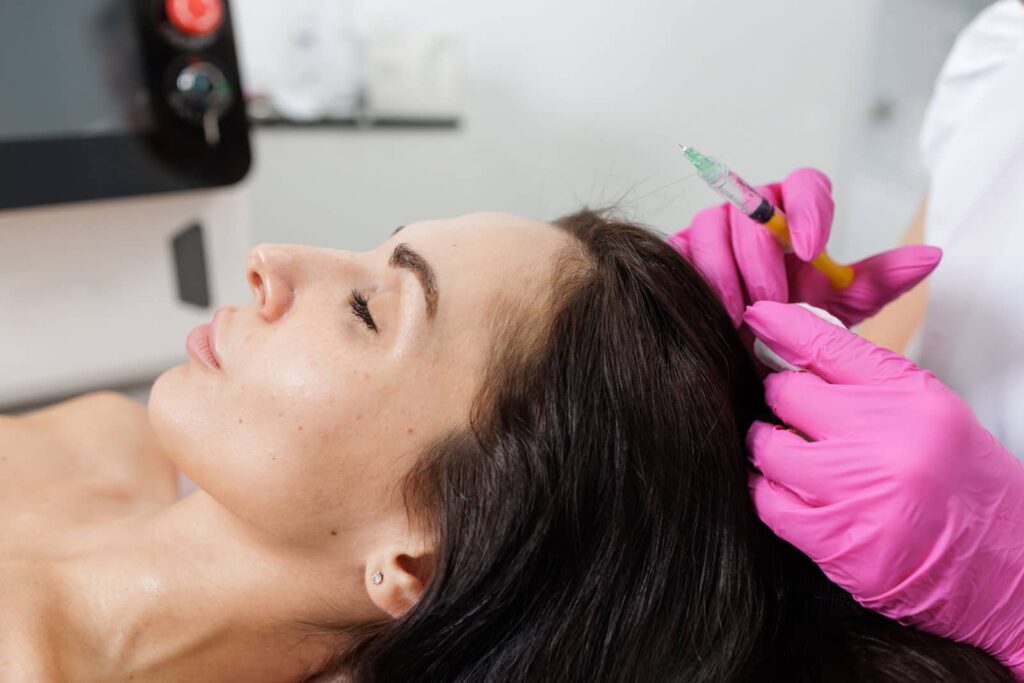
Hair loss is one of the most emotionally charged aesthetic concerns a person can face, and one of the most common. By age 50, roughly 85% of men and nearly 40% of women experience noticeable hair thinning, according to research published by the American Academy of Dermatology (AAD). And while PRP hair loss treatment has become one of the most talked-about non-surgical solutions over the past decade, it’s far from the only option available today.
If you’ve been researching hair restoration and want to understand how PRP treatment for hair loss compares to newer and emerging alternatives, exosomes, PEP Factor, Alma TED, low-level laser therapy, scalp microneedling, Nutrafol, and more, you’re in the right place.
At Tatoyan MD Medspa, we believe every patient deserves a clear, honest, evidence-based picture of their options before committing to any treatment. In this guide, we’ll walk you through exactly what PRP hair loss treatment is, how it works, who it’s right for, and then compare it side by side with the most compelling alternatives available in medical aesthetics today, so you can make the most informed decision possible for your hair and your health.
What Is PRP Hair Loss Treatment and How Does It Work?
PRP hair loss treatment, Platelet-Rich Plasma therapy, is a regenerative procedure that uses your own blood to stimulate hair follicle activity and encourage new hair growth. It’s been used in orthopedics and wound healing for decades and has become one of the most clinically studied non-surgical hair restoration treatments in aesthetic medicine.
Here’s how the PRP hair treatment process works:
- Blood draw, A small amount of blood (typically 20–60 mL) is drawn from your arm, the same way a routine lab draw works.
- Centrifugation, The blood is placed in a centrifuge that spins it at high speed, separating the components by density: red blood cells settle at the bottom, platelet-poor plasma rises to the top, and platelet-rich plasma concentrates in the middle.
- Concentration, The PRP layer is extracted. This concentrated plasma contains growth factors, including PDGF, VEGF, TGF-β, EGF, and IGF, at levels significantly higher than what’s found in whole blood.
- Injection, The PRP is injected directly into the scalp at the level of the hair follicles, typically across the areas of thinning or recession.
These growth factors are believed to stimulate dormant hair follicles, prolong the anagen (growth) phase of the hair cycle, increase follicular blood supply, and reduce scalp inflammation, all of which contribute to improved hair density and thickness over time.
PRP for hair loss is not a cure. It doesn’t reverse permanent follicle death or restore hair to completely bald areas. It works best in patients who still have follicles present, even dormant ones, that can be reactivated with the right stimulation.
According to research indexed by the National Institutes of Health (NIH), multiple clinical studies have demonstrated statistically significant improvements in hair count, thickness, and follicular density following a series of PRP hair loss treatments, supporting its place as a first-line non-surgical option for androgenetic alopecia.
Who Is PRP Hair Treatment Right For?
PRP hair treatment is most effective for patients who:
- Have androgenetic alopecia (male or female pattern hair loss) in the early-to-moderate stages
- Are experiencing hair thinning rather than complete follicle loss
- Have alopecia areata (patchy hair loss) in some cases
- Want a non-surgical, natural approach using their own biology
- Are not currently pregnant or breastfeeding
- Do not have blood disorders, platelet dysfunction, or active scalp infections
- Are willing to commit to a series of sessions (typically 3–4 initial treatments spaced 4–6 weeks apart, followed by maintenance every 4–6 months)
PRP is less effective, or not appropriate, for:
- Patients with advanced hair loss where follicles are no longer present
- Those on blood thinners or immunosuppressants that affect platelet function
- Patients with certain autoimmune conditions
- Anyone with a fear of needles or low pain tolerance who hasn’t discussed alternatives with their provider
If any of these limitations apply to you, the alternatives explored below may offer a better path forward.
The Limitations of PRP for Hair Loss: Why Patients Look for Alternatives
Despite its strong clinical track record, PRP for hair loss does have real limitations, and these are worth discussing honestly, as they’re the primary reason so many patients and providers are turning to alternatives.
Inconsistent Results
PRP outcomes are partly determined by the quality and concentration of platelets in your blood, something that varies significantly from person to person. Patients with lower platelet counts or less reactive growth factors may see underwhelming results even after a complete treatment series.
Needle Sensitivity
The scalp injection process, while generally tolerable, involves multiple injections per session. Patients with low pain tolerance or needle anxiety sometimes find the treatment difficult to complete, especially without adequate topical numbing.
Requires Multiple Sessions
PRP hair loss treatment is not a one-and-done solution. Most protocols require 3–4 initial sessions, followed by maintenance treatments every 4–6 months indefinitely. The cumulative time and financial investment can be significant.
Not Covered by Insurance
Like most aesthetic treatments, PRP treatment for hair loss is considered elective and is not covered by health insurance, making long-term maintenance costly for some patients.
Temporary Results Without Maintenance
If maintenance sessions are discontinued, the benefits of PRP gradually diminish as the underlying hair loss condition, usually androgenetic alopecia, which is hormonally driven, continues to progress.
These limitations don’t disqualify PRP as an excellent option, but they do create very legitimate reasons for patients to explore alternatives, either in place of PRP or in combination with it.
The Best Alternatives to PRP Hair Loss Treatment
1. Alma TED Hair Restoration, The Needle-Free Breakthrough
If there’s one alternative to PRP hair loss treatment that’s genuinely changing the conversation in hair restoration right now, it’s Alma TED Hair Restoration.
Alma TED (Trans-Epidermal Delivery) is an FDA-cleared, completely needle-free hair restoration system developed by Alma Lasers, a globally recognized leader in medical aesthetic technology. It uses a proprietary combination of ultrasound energy and acoustic pressure waves to open microchannels in the scalp and drive a specially formulated hair care solution, packed with growth factors, peptides, and nutrients, deep into the scalp tissue where hair follicles live.
No needles. No blood draw. No downtime. And results that rival or exceed what many patients experience with traditional PRP hair loss treatment.
How Alma TED works:
- A handheld device is passed over the scalp, emitting controlled ultrasound and acoustic wave energy
- This energy temporarily disrupts the tight junctions of the scalp’s outer layer, creating a delivery pathway for the active solution
- The proprietary hair care formula, containing growth factors, amino acids, and biomimetic peptides, is simultaneously infused deep into the dermis
- Follicle stem cells are stimulated, scalp circulation improves, and the inflammatory environment that suppresses hair growth is disrupted
- The scalp’s natural healing response is triggered, without any physical puncture or injection
How Alma TED compares to PRP hair loss treatment:
| PRP Hair Loss Treatment | Alma TED | |
| Needles required? | Yes, multiple injections | No, completely needle-free |
| Blood draw required? | Yes | No |
| Pain level | Moderate | Minimal to none |
| Downtime | Minimal (1–2 days tenderness) | None |
| Sessions needed | 3–4 initial + maintenance | 3–6 recommended |
| Results timeline | 3–6 months | 2–4 months |
| Growth factor source | Patient’s own platelets | Proprietary clinical formula |
| Consistency of results | Variable (patient-dependent) | Highly consistent |
| FDA clearance | Yes (PRP devices) | Yes (Alma TED device) |
Who benefits most from Alma TED:
- Patients who are needle-phobic or find PRP injections too uncomfortable
- Those who want zero downtime, Alma TED sessions require no recovery period whatsoever
- Patients with sensitive scalps or conditions that make injection-based treatments difficult
- Anyone who tried PRP hair treatment and didn’t achieve satisfying results
- Patients looking for a fast, comfortable in-office session, most Alma TED treatments take 20–30 minutes
- Those seeking a preventative approach before hair loss becomes significant
What Alma TED results look like:
Most patients begin noticing reduced shedding within the first few weeks of treatment. Visible improvements in hair density, thickness, and scalp coverage typically appear at the 2–4 month mark. Because the treatment is comfortable and requires no recovery, patients often find it much easier to stay consistent with their maintenance schedule, which directly translates to better long-term outcomes.
At Tatoyan MD Medspa, Alma TED is one of our most popular hair restoration offerings, and for many patients, it has become their preferred alternative, or complement, to traditional PRP hair loss treatment.
2. Exosome Therapy for Hair Loss
Exosome therapy is the most scientifically sophisticated regenerative alternative to PRP hair loss treatment available in aesthetic medicine today.
Exosomes are nano-sized extracellular vesicles secreted by mesenchymal stem cells. They function as biological messengers, carrying:
- Growth factors, at concentrations significantly higher than those found in PRP
- mRNA and microRNA, signaling molecules that directly influence gene expression in follicle cells
- Proteins and lipids, that support cellular repair and regeneration
- Cytokines, that modulate inflammation and immune response at the follicle level
When delivered to the scalp via microneedling or injection, exosomes communicate directly with hair follicle stem cells, signaling dormant or degenerating follicles to reactivate and re-enter the growth phase.
How exosomes compare to PRP for hair loss:
| PRP | Exosomes | |
| Source | Patient’s own blood | Lab-derived stem cell vesicles |
| Growth factor concentration | Moderate | Very high |
| Contains signaling RNA? | No | Yes |
| Requires blood draw? | Yes | No |
| Result variability | High (patient-dependent) | Consistent (standardized) |
| Sessions needed | 3–4 initial + maintenance | 1–2 (often fewer) |
Who benefits most from exosome hair therapy:
- Patients who didn’t respond adequately to PRP hair loss treatment
- Those wanting a more potent single-session treatment
- Anyone seeking next-generation regenerative science with fewer sessions required
- Patients with moderate-to-advanced thinning who want maximum biological stimulation
3. PEP Factor for Hair Restoration
PEP Factor (Purified Exopolysaccharide Factor) is a proprietary concentrated formulation containing fibroblast growth factor (FGF), copper peptides, amino acids, and bioactive compounds that directly activate hair follicle stem cells and reduce scalp inflammation.
Unlike PRP hair loss treatment, PEP Factor is applied topically to the scalp, typically following a microneedling session that creates micro-channels allowing deep penetration of the active ingredients. No blood draw is required, and the procedure is significantly more comfortable than injection-based treatments.
Key advantages of PEP Factor over PRP:
- No needles, active ingredients delivered topically through microneedling channels
- No blood draw, ideal for needle-phobic patients
- Highly concentrated FGF, with strong evidence supporting its role in follicle activation
- Pairs beautifully with Alma TED, PEP Factor serums can be used alongside TED’s transepidermal delivery system for amplified results
- Comfortable experience, most patients find sessions relaxing compared to PRP injections
4. Low-Level Laser Therapy (LLLT) for Hair Loss
Low-level laser therapy (LLLT), also called photobiomodulation, uses specific wavelengths of red and near-infrared light (typically 630–670 nm) to stimulate cellular energy production in hair follicle cells.
The FDA has cleared several LLLT devices for the treatment of androgenetic alopecia in both men and women, and multiple randomized controlled trials have demonstrated significant increases in hair count and thickness compared to sham treatments.
How LLLT works:
- Red light is absorbed by mitochondria in follicle cells, stimulating ATP (cellular energy) production
- Greater cellular energy supports the follicle’s ability to stay in the anagen (growth) phase longer
- Scalp circulation improves, delivering more nutrients to follicle roots
- Chronic scalp inflammation, a key driver of androgenetic hair loss, is reduced
LLLT advantages over PRP hair loss treatment:
- Completely non-invasive, no needles, no blood draw, no downtime
- FDA-cleared for clinical and home use
- Painless and comfortable, patients find sessions relaxing
- Stackable with every other treatment, LLLT pairs especially well with Alma TED and exosome therapy
- Home devices available for between-session maintenance
5. Scalp Microneedling
Scalp microneedling creates controlled micro-injuries across the scalp that trigger the body’s wound-healing cascade, releasing native growth factors at the follicle level and activating stem cells in the hair follicle bulge region.
Beyond its standalone benefits, scalp microneedling is also the primary delivery vehicle for PEP Factor and exosome serums, making it an indispensable part of many combination protocols.
Who should consider scalp microneedling:
- Patients looking for a budget-friendly hair restoration entry point
- Those wanting to enhance penetration of topical treatments (minoxidil, PEP Factor, growth serums)
- Patients who have completed a PRP series and want a comfortable maintenance protocol
- Anyone with mild thinning looking for a preventative approach
6. Nutrafol and Evidence-Based Hair Supplements
Nutrafol is a physician-formulated nutraceutical supplement studied in multiple double-blind, placebo-controlled clinical trials, showing statistically significant improvements in hair growth rate, density, and thickness in both men and women.
Key active ingredients include:
- Ashwagandha, lowers cortisol, addressing stress-related hair loss
- Saw palmetto, a natural DHT inhibitor targeting androgenetic alopecia at its hormonal root
- Biotin and marine collagen, supporting keratin structure and follicle integrity
- Tocotrienol complex, antioxidant protection at the follicle level
- Curcumin, reduces chronic scalp inflammation
Nutrafol is not a standalone replacement for clinical treatments, but as a daily foundational supplement, it creates the internal biological environment that makes every treatment, including PRP hair loss treatment and Alma TED, more effective. At Tatoyan MD Medspa, we recommend it as part of virtually every hair restoration program.
7. Topical Minoxidil and Prescription Hair Loss Treatments
Topical minoxidil remains the only FDA-approved topical treatment for androgenetic alopecia in both men and women. It works by prolonging the anagen phase, increasing follicular blood supply, and directly stimulating follicular cell proliferation.
Oral minoxidil (at low doses of 0.25–2.5 mg daily) has gained significant clinical traction as a more effective and convenient alternative to topical application. It requires a prescription, which Tatoyan MD Medspa’s physician team can provide as part of a comprehensive hair restoration plan.
For male patients, finasteride or dutasteride are commonly prescribed alongside clinical treatments as prescription-strength hormonal DHT management.
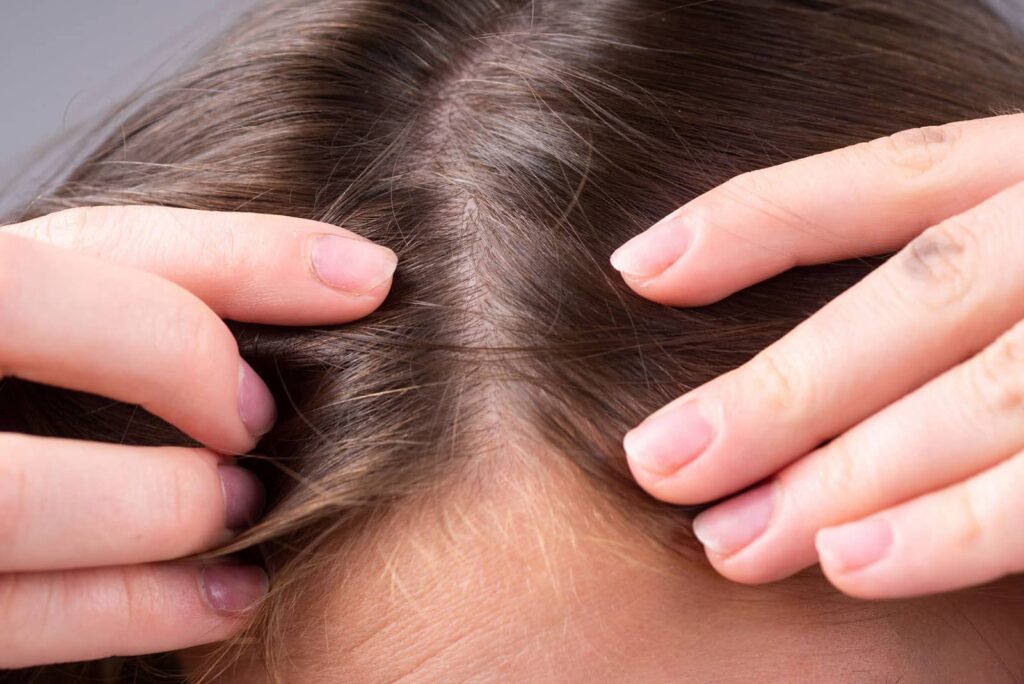
Comparing All Hair Loss Treatment Alternatives at a Glance
| Treatment | Best For | Needles? | Sessions | Results Timeline | Downtime |
| PRP Hair Loss Treatment | Early-moderate androgenetic alopecia | Yes | 3–4 initial + maintenance | 3–6 months | Minimal |
| Alma TED | All stages, needle-phobic patients, PRP alternatives | No | 3–6 | 2–4 months | None |
| Exosome Therapy | Moderate-advanced thinning, PRP non-responders | Minimal | 1–2 | 2–4 months | Minimal |
| PEP Factor | Early thinning, needle-phobic patients | No | 3–6 | 3–5 months | None |
| LLLT / Laser | All stages, as add-on or standalone | No | Ongoing | 4–6 months | None |
| Scalp Microneedling | All stages, as standalone or delivery vehicle | Minimal | Monthly | 3–4 months | Minimal |
| Nutrafol | All patients, as daily foundation | No | Daily (ongoing) | 3–6 months | None |
| Minoxidil / Rx | All stages, as foundational treatment | No | Daily (ongoing) | 2–4 months | None |
Can You Combine PRP With These Alternative Treatments?
Absolutely, and in many cases, combination protocols produce significantly better outcomes than any single treatment alone.
At Tatoyan MD Medspa, our most effective hair restoration programs often combine:
- Alma TED + Nutrafol + Minoxidil, the ultimate needle-free comprehensive protocol, addressing hair loss from clinical, nutritional, and hormonal angles simultaneously
- Alma TED + Exosomes, pairing TED’s transepidermal delivery system with the superior growth factor concentration of exosomes for amplified follicle stimulation
- Exosomes + Scalp Microneedling, the gold standard combination for maximizing growth factor delivery to the follicle
- PRP + LLLT, clinical PRP sessions supported by ongoing laser therapy to extend and enhance results
- PEP Factor + Nutrafol + Minoxidil, a comprehensive non-injection program addressing hair loss from multiple biological angles
- Alma TED + PRP, for patients who want to combine the comfort and consistency of TED with the autologous biology of PRP for maximum follicle stimulation
The right combination for you depends on your hair loss stage, the underlying cause, your tolerance for procedures, your budget, and your timeline for results.
How to Choose the Right Hair Loss Treatment for You
Choose PRP hair loss treatment if:
- You’re in the early-to-moderate stages of androgenetic alopecia
- You want a well-studied treatment using your own biology
- You’re comfortable with injections and a multi-session series
Choose Alma TED if:
- You’re needle-phobic or want a completely painless, zero-downtime experience
- You want consistent, clinically reliable results without a blood draw
- You tried PRP and want a more comfortable maintenance alternative
- You’re looking for a fast, effective in-office session with no recovery time
Choose exosome therapy if:
- You didn’t respond well to PRP, or want a more potent option
- You want next-generation regenerative treatment with fewer sessions required
- You have moderate-to-advanced thinning and want maximum biological stimulation
Choose PEP Factor or LLLT if:
- You want a completely comfortable, non-invasive experience
- You’re in early-stage thinning and want a preventative approach
- You’re looking for a lower cost entry point with combinable options
Choose a combination protocol if:
- You want the most comprehensive, multi-angle approach to hair restoration
- You’ve tried one treatment without full satisfaction and want to layer additional modalities
- You’re serious about long-term results and willing to invest in them
Why Tatoyan MD Medspa for Hair Restoration?
At Tatoyan MD Medspa, hair restoration is a personalized, physician-led program built around your specific biology, hair loss pattern, and goals, not a one-size-fits-all menu.
What sets us apart:
- Board-certified physician oversight on every treatment plan
- Access to the full spectrum of options, PRP, Alma TED, exosomes, PEP Factor, LLLT, scalp microneedling, and prescription management
- Honest assessments, we’ll tell you what we genuinely believe will work for your situation
- Combination protocol expertise, our team designs multi-modality programs that produce faster, more durable results
- Long-term patient relationships, we track your progress and adapt your plan as your hair responds
- FDA-approved and clinically supported products only, no unproven gimmicks or unregulated formulations
Whether you’re just beginning to notice thinning or have been managing hair loss for years, we’ll meet you where you are and build a plan that makes real sense for your hair, and your life.
Ready to find out which hair restoration approach is right for you? Book a personalized hair loss consultation at Tatoyan MD Medspa and get a customized plan built around your biology, your goals, and your budget. Schedule Your Hair Restoration Consultation at tatoyanmdmedspa.com
Frequently Asked Questions About PRP Hair Loss Treatment and Its Alternatives
1. How many PRP hair loss treatment sessions do I need before seeing results?
Most patients undergoing PRP hair loss treatment require an initial series of 3 to 4 sessions spaced 4 to 6 weeks apart before meaningful results become visible. Hair grows slowly, typically about half an inch per month, so improvements in density and thickness often become noticeable around the 3 to 6 month mark after beginning treatment. After the initial series, maintenance sessions every 4 to 6 months are recommended to sustain results. Patients who don’t see adequate improvement after completing the initial series may be excellent candidates for Alma TED, exosome therapy, or a combination protocol.
2. Is Alma TED better than PRP for hair loss?
For many patients, particularly those who are needle-phobic, have sensitive scalps, or want zero downtime, Alma TED is a superior experience to PRP hair loss treatment, and the results are highly comparable. Alma TED’s transepidermal delivery system drives a potent clinical formula deep into the scalp without any injections or blood draw, making it significantly more comfortable while still producing meaningful improvements in hair density and thickness. That said, PRP has a longer published clinical history. Many patients at Tatoyan MD Medspa use both, Alma TED for comfortable, consistent maintenance and PRP for periodic deeper stimulation, getting the benefits of both modalities.
3. What is the most effective non-injection alternative to PRP hair treatment?
Alma TED Hair Restoration is currently the most complete needle-free alternative to PRP hair loss treatment available in medical aesthetics. It combines ultrasound and acoustic wave energy with a potent growth factor formula to stimulate follicles without a single injection. For patients who want to layer additional support on top of Alma TED, adding LLLT for cellular energy stimulation, Nutrafol as a daily internal supplement, and topical or oral minoxidil creates a comprehensive non-injection protocol that rivals the results of traditional PRP treatment, particularly in patients with early-to-moderate hair thinning.
4. Can women use PRP hair loss treatment, and are the alternatives the same?
Yes, PRP for hair loss is equally applicable to women experiencing androgenetic alopecia, postpartum shedding, or other forms of non-scarring alopecia. The same alternatives, Alma TED, exosomes, PEP Factor, LLLT, scalp microneedling, and Nutrafol, are all appropriate for female patients, with formulations adjusted for female-specific hormonal drivers of hair loss. Nutrafol, in particular, offers a women’s-specific formula targeting estrogen fluctuations and postpartum cortisol spikes. At Tatoyan MD Medspa, we frequently see women achieve excellent results with Alma TED combined with Nutrafol, a comfortable, completely needle-free protocol tailored to female hair loss patterns.
5. How long do PRP hair loss treatment results last, and what happens if I stop?
Results from PRP hair loss treatment are not permanent, the underlying genetic or hormonal condition driving hair loss continues regardless of treatment. Most patients maintain their results for 4 to 6 months after each session before needing a touch-up. If maintenance sessions are discontinued entirely, the benefits gradually fade over 6 to 12 months. This is why the most successful long-term outcomes come from patients who pair periodic clinical treatments, whether PRP, Alma TED, or exosomes, with consistent daily management through Nutrafol and minoxidil, addressing both the stimulatory and preventative dimensions of hair health simultaneously.
Final Thoughts: PRP Hair Loss Treatment vs. Alternatives, There’s No One Right Answer
The landscape of non-surgical hair restoration has never been more sophisticated, or more promising. PRP hair loss treatment remains an excellent, well-studied option for many patients, but it’s no longer the only compelling choice. Alma TED, exosome therapy, PEP Factor, low-level laser, scalp microneedling, and evidence-based supplements each bring meaningful tools to the table, tools that can be used alone or in powerful combination to produce results that weren’t achievable even a few years ago.
The most important thing is not which treatment is objectively “best” in the abstract, it’s which treatment is right for your hair loss pattern, your biology, your goals, and your lifestyle. That requires a real conversation with a qualified provider who takes the time to understand all of those dimensions before recommending anything.
That’s exactly what we do at Tatoyan MD Medspa, and we’d love to have that conversation with you.