
Dermal Fillers for Ozempic Face: Expert Tips to Achieve Natural, Balanced Results
December 1, 2025
Ultherapy vs Morpheus8: Which Skin Tightening Treatment Is Right for You?
December 29, 2025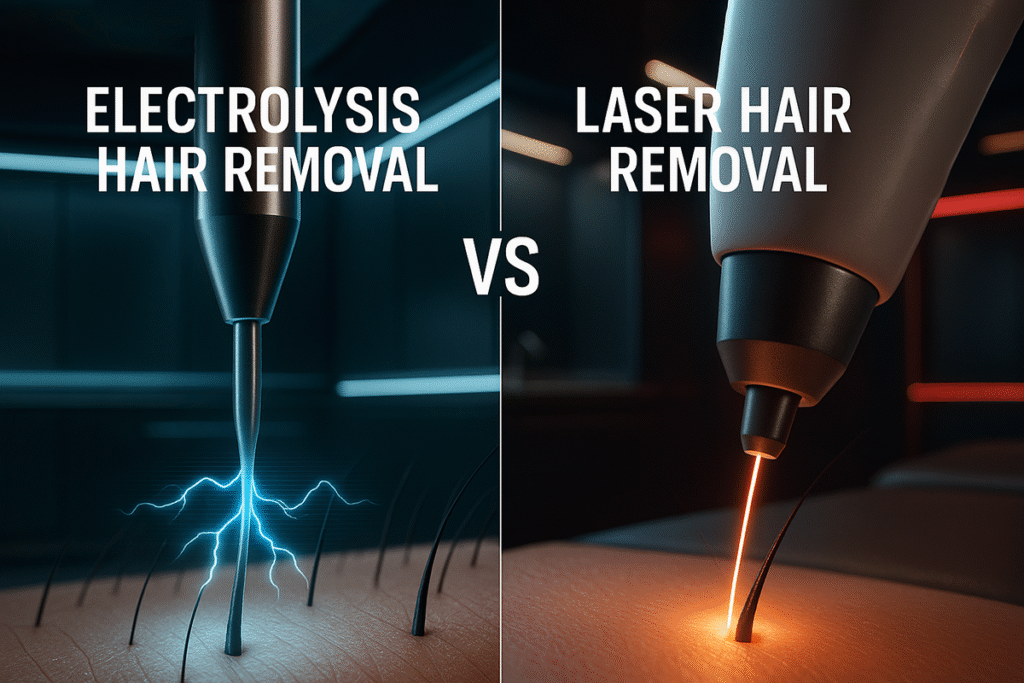
Smooth, hair-free skin is something many clients at Tatoyan MD Medspa strive for, but choosing between advanced hair removal methods can feel overwhelming. The two most popular long-term solutions – electrolysis and laser hair removal – each offer powerful results, yet they work in very different ways. Understanding the difference between electrolysis and laser hair removal is essential when determining which method best suits your skin type, hair color, and long-term goals.
In this comprehensive guide, we break down laser hair removal vs electrolysis, highlight effectiveness, safety, suitability for different skin tones, and explain how each method performs on various body areas. Whether you’re exploring what electrolysis hair removal truly is or trying to decide which is better: electrolysis or laser, this guide provides everything you need to make an informed decision.
Ready to achieve smoother, hair-free skin? Schedule your personalized hair removal consultation at Tatoyan MD Medspa today and discover the best treatment for your needs.
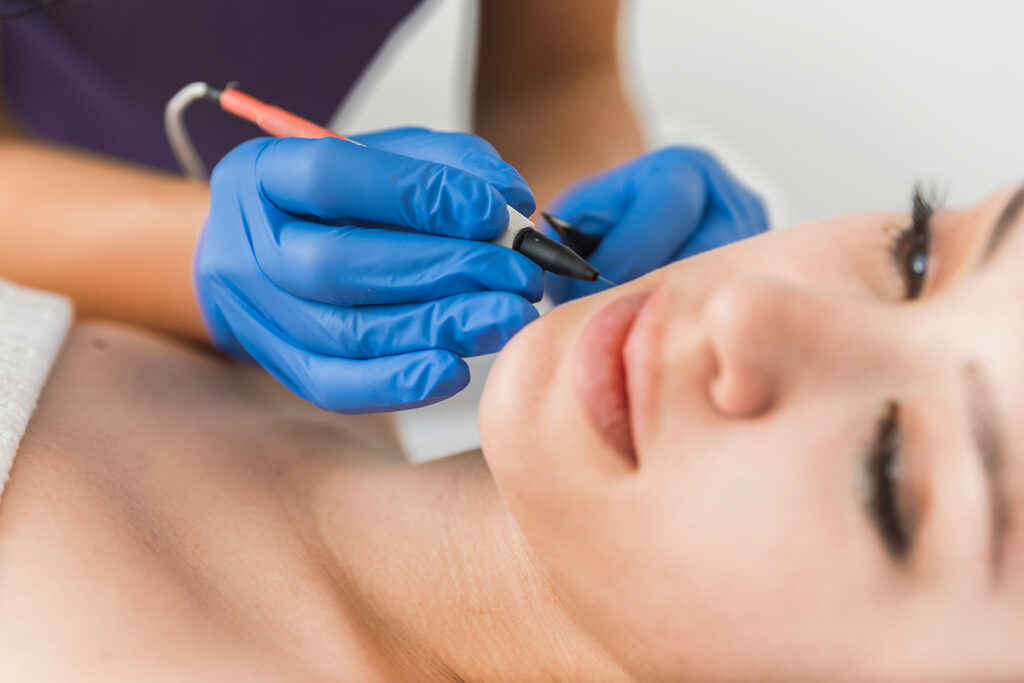
What Is Electrolysis Hair Removal?
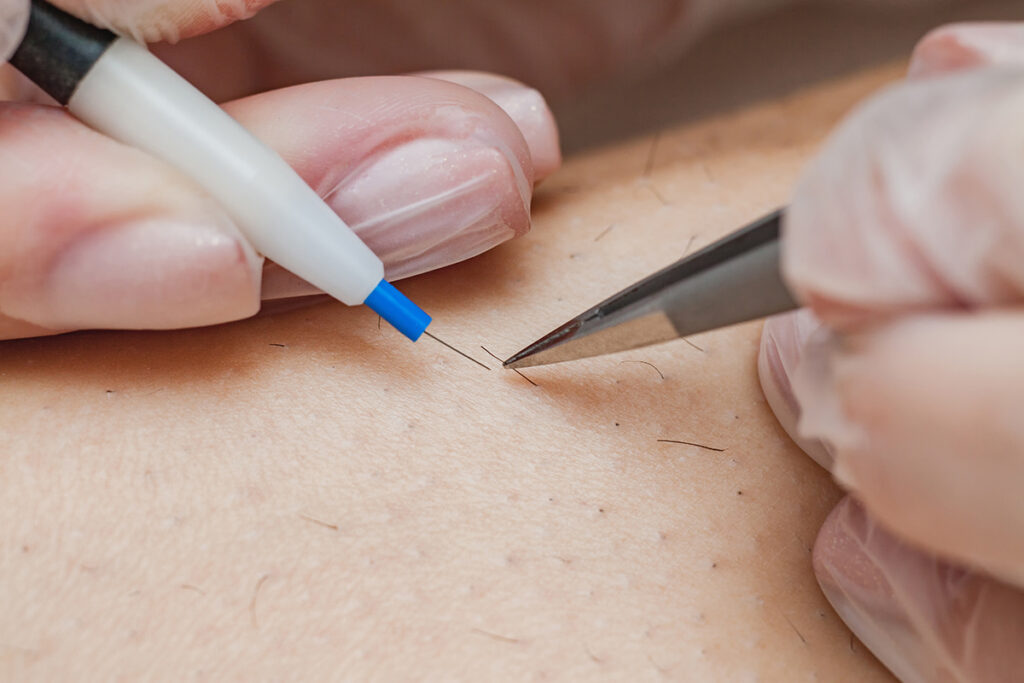
Electrolysis is the only FDA-approved method for true permanent hair removal, making it a highly reliable solution for clients seeking long-lasting results. Unlike laser hair removal, which targets pigment, electrolysis works by addressing the hair follicle directly. During treatment, a trained electrologist inserts an ultra-fine, sterile probe into each hair follicle. A small, carefully controlled electrical current is then delivered to destroy the follicle’s growth center, preventing the hair from ever growing back.
How Electrolysis Works
- A sterile probe is inserted into each individual follicle
- A precise electrical current destroys the root of the hair
- The damaged follicle can no longer produce new hair
- Effective on all hair colors and all skin tones, including blonde, red, gray, and white hair
Because electrolysis treats each follicle individually, it offers exceptional accuracy and control. This precision makes it ideal for addressing small or delicate areas where hairs may appear sporadically or require careful shaping. Popular treatment zones include the upper lip, chin, eyebrows, fingers, and breast area. It is also beneficial for clients with hormonal hair growth or those who have light-colored hairs that laser cannot effectively target. While electrolysis requires multiple sessions, it remains the gold standard for permanent, pigment-independent hair removal.
How Laser Hair Removal Works
Laser hair removal is one of the most advanced and popular methods for achieving long-term hair reduction. The treatment works by delivering concentrated light energy directly into the hair follicle. This light is absorbed by melanin, the pigment that gives hair its color. As the melanin absorbs the laser’s heat, the energy damages the follicle, disrupting its ability to produce new hair. Over time and with repeated sessions, hair grows back finer, lighter, and more slowly – often leading to a 70–90% long-lasting reduction in treated areas.
Key Features of Laser Hair Removal
- Targets melanin in the hair shaft, making it extremely effective for darker, coarser hair
- Fast and efficient, especially for large areas like the legs, back, and arms
- Works best on clients with dark hair and lighter skin tones, where the contrast allows the laser to focus on the hair pigment without affecting surrounding skin
- Offers long-term reduction, making regrowth significantly thinner and less noticeable
Laser hair removal is an excellent option for individuals seeking quick, noticeable results. Understanding how the technology works – particularly how it interacts with hair pigment – is essential when comparing electrolysis vs laser hair removal effectiveness, since laser outcomes vary greatly depending on hair color and skin type.
Laser Hair Removal vs Electrolysis: Which One Is More Effective?
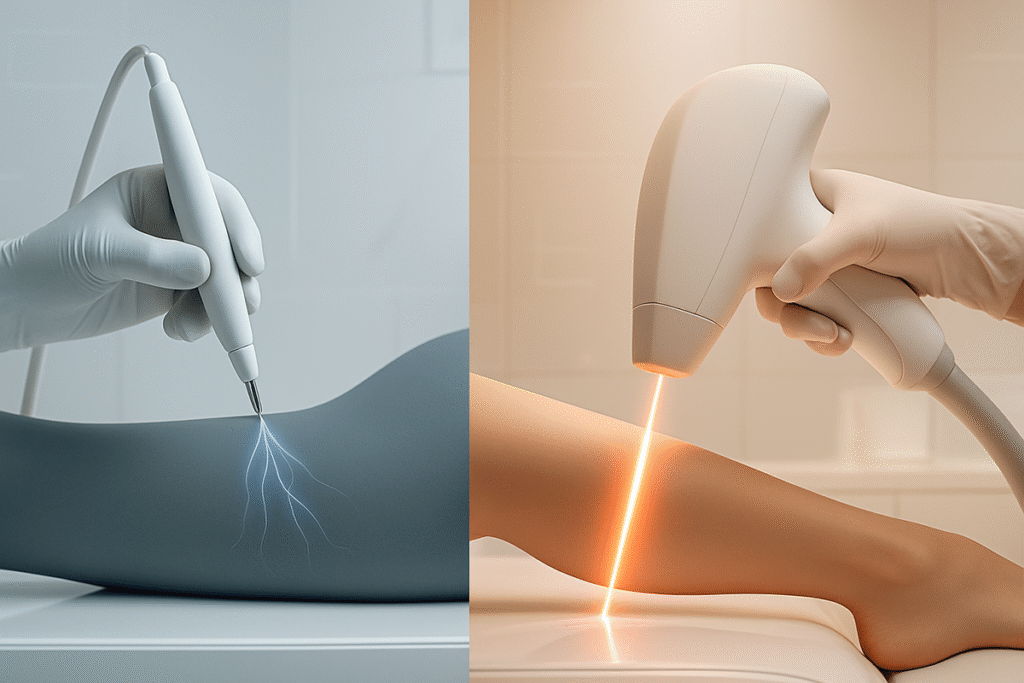
The effectiveness of laser hair removal vs electrolysis largely depends on your skin tone, hair color, hair texture, and the specific area being treated. Each method has unique strengths, making them highly effective in different scenarios.
Electrolysis Effectiveness
Electrolysis is considered the gold standard for permanent hair removal because it destroys each follicle individually. Its effectiveness includes:
- Permanently destroys the hair follicle, preventing regrowth
- Works on all hair colors, including blonde, red, gray, and white
- Does not rely on pigment, making it suitable for every skin tone
- Ideal for removing stubborn or hormonal hairs, especially in small areas
- Perfect for finishing touches after laser to eliminate remaining fine or light hairs
- Highly precise, making it great for facial areas like eyebrows, upper lip, and chin
Although electrolysis requires more sessions due to its meticulous nature, the results are truly permanent and reliable.
Laser Hair Removal Effectiveness
Laser hair removal excels in speed and efficiency, especially on dark, coarse hair. Its strengths include:
- Delivers fast, dramatic reduction in hair growth
- Most effective on dark, pigmented, coarse hair
- Covers large areas quickly, such as legs, back, or bikini
- Visible results in fewer sessions compared to electrolysis
- Requires maintenance sessions for long-term optimal results
- Not effective for blonde or white hair because it relies on melanin
While laser isn’t suitable for light hair, it remains one of the most efficient methods for achieving significant and long-lasting hair reduction.
Read more: How to Prepare for Laser Hair Removal
Difference Between Electrolysis and Laser Hair Removal
Understanding the core differences helps determine which treatment fits your needs:
| Feature | Electrolysis | Laser Hair Removal |
| Goal | Permanent removal | Permanent reduction |
| Best for | Any hair color | Dark hair |
| Skin tone compatibility | All tones | Light to dark (with correct laser) |
| Speed | Slow (individual follicles) | Fast (large areas) |
| Technology | Electrical current | Light energy |
This table simplifies the key difference between electrolysis and laser hair removal in a clear, easy-to-compare way.
Electrolysis vs Laser for Dark Skin
Treating dark skin requires special consideration.
Laser Hair Removal for Dark Skin
Laser technology has advanced significantly. The Nd:YAG laser is widely recognized as the safest and most effective laser for deeper skin tones because it bypasses the epidermal melanin and targets the follicle more selectively.
Electrolysis for Dark Skin
Electrolysis is universally safe for all skin types, including deep skin tones, because it doesn’t rely on melanin.
Conclusion for Dark Skin
When comparing electrolysis vs laser for dark skin, both can work safely – but only when the correct laser is used and the provider is experienced. Clients with dark skin who have blonde or gray hairs should choose electrolysis, while those with dark, coarse hair typically see fantastic laser results.
Electrolysis vs Laser Hair Removal Effectiveness by Hair Color
Dark Hair Effectiveness Comparison
When comparing the effectiveness of electrolysis vs laser hair removal for dark hair, laser treatments typically deliver the most dramatic reduction. Because laser technology targets melanin, dark, coarse hair absorbs the light energy efficiently, making it the ideal candidate for laser hair removal. Clients with dark hair often see significant reductions in fewer sessions, especially on areas like the legs, underarms, and bikini line. Electrolysis is still effective for dark hair as well, offering true permanent removal, but it generally takes longer since each follicle is treated individually. Many clients choose laser for the initial bulk reduction and rely on electrolysis for final refinement.
Blonde, Gray, and Light Hair Treatment Options
For blonde, gray, red, or very light hair, electrolysis is the superior – and often the only – effective option. Since laser hair removal requires pigment to target the follicle, light-colored hairs do not absorb enough energy for successful treatment. Electrolysis, however, bypasses pigment entirely and destroys the follicle directly, making it ideal for lighter hair shades and for areas where laser is ineffective.
Electrolysis vs Laser Hair Removal Safety
Safety is a top priority at Tatoyan MD Medspa, and both treatments can be very safe when performed by trained professionals.
Electrolysis Safety
- Safe for all skin tones
- Minimal side effects
- Temporary redness or slight swelling possible
- No risk of burns due to melanin targeting
Laser Hair Removal Safety
- Safe for most skin types when proper laser technology is used
- Modern lasers include cooling mechanisms
- Risk of hyperpigmentation when performed improperly
- Requires professional assessment for safe treatment
When comparing electrolysis vs laser hair removal safety, both methods are safe – with the right provider and equipment.
Which Is Better: Electrolysis or Laser?
The answer depends on your goals, hair type, and treatment area.
Choose Electrolysis If You:
- Want permanent hair removal
- Have light, red, blonde, or gray hair
- Need precision (eyebrows, upper lip)
- Want to treat small areas or final leftover hairs after laser
Choose Laser Hair Removal If You:
- Have dark, coarse hair
- Want fast results
- Are treating large areas
- Want dramatic reduction quickly
There is no single winner. The choice depends on what matters most to you: speed vs true permanence.
Electrolysis vs Laser Hair Removal for Face
Facial hair requires careful consideration.
Laser Hair Removal for Face
- Excellent for dark, coarse chin or jawline hair
- Great for men and women with thick growth
- Not suitable for blonde or white facial hair
Electrolysis for Face
- Safe, precise, and effective on all hair colors
- Perfect for shaping eyebrows, treating upper lip or chin hairs
- Eliminates hormonal or stubborn hairs permanently
When evaluating electrolysis vs laser hair removal for face, electrolysis is often preferred because facial hair tends to be fine, resistant, or hormonally driven.
Electrolysis vs Laser: Time and Treatment Duration
Electrolysis Duration
- Treats one follicle at a time
- Multiple sessions are required
- Best for small areas
Laser Duration
- Treats large areas quickly
- Requires 6–10 sessions on average
- Best for legs, back, arms, underarms, and bikini
Laser is far faster, but electrolysis offers unmatched precision.
Read more: Bikini Laser Hair Removal
Cost Comparison: Laser Hair Removal vs Electrolysis
Electrolysis Costs
- Priced per time interval (15, 30, 60-minute sessions)
- Long-term commitment
- More cost-effective for small areas
Laser Hair Removal Costs
- Priced per body area
- Fewer sessions needed
- More affordable for large areas
For large-scale hair removal, laser is more economical. For precision or lighter hairs, electrolysis is worth the investment.
Which Body Areas Are Best for Each Treatment?
Laser hair removal is ideal for large or dense areas because it treats multiple follicles at once. It works especially well on the legs, underarms, bikini/Brazilian area, chest, back, and arms, delivering fast, effective reduction for dark, coarse hair.
Electrolysis, on the other hand, is best for small or precise areas and for hairs that laser cannot treat. It’s highly effective for the chin, upper lip, eyebrows, breast area, fingers, and toes, as well as white, blonde, or gray hairs anywhere on the body. Electrolysis ensures true permanent removal for any hair color.
Frequently Asked Questions (FAQ)
1. Is electrolysis more permanent than laser hair removal?
Yes. Electrolysis is the only FDA-approved method for true permanent hair removal, meaning once a follicle is treated, it cannot produce hair again. Laser hair removal, while highly effective, results in permanent hair reduction, which significantly decreases growth but may require annual maintenance sessions depending on hormones, hair type, and the treated area.
2. Does laser hair removal work for blonde or gray hair?
No. Laser hair removal relies on melanin to absorb light energy, so blonde, gray, red, and white hair lack the pigment needed for effective treatment. Individuals with light-colored hair will see the best results with electrolysis, which works on any hair shade because it targets the follicle directly rather than relying on pigment.
3. Is electrolysis safe for dark skin?
Yes. Electrolysis bypasses melanin entirely, making it safe for all skin tones, including deep or richly pigmented skin. This eliminates the risk of burns or hyperpigmentation associated with improper laser settings.
4. How many sessions do I need?
Electrolysis typically requires multiple short sessions because each follicle must be treated one at a time. Laser hair removal usually requires 6–10 sessions spaced several weeks apart, depending on the area and hair type.
5. Which treatment is more cost-effective?
Laser hair removal is often more affordable for large body areas, thanks to its speed and broad coverage. Electrolysis is cost-effective for small, specific areas or for permanently removing light hairs that lasers cannot treat.
Conclusion: Choosing the Best Hair Removal Treatment at Tatoyan MD Medspa
Both electrolysis and laser hair removal offer exceptional benefits, but the best choice depends on your skin type, hair color, and long-term goals. At Tatoyan MD Medspa, we help clients navigate the decision between electrolysis vs laser hair removal with expert guidance and customized treatment plans. Whether you want the speed and efficiency of laser or the permanent precision of electrolysis, our experienced team ensures safe, effective, and personalized results.
If you’re still unsure which is better – electrolysis or laser, we invite you to schedule a consultation. Our specialists will assess your skin, hair type, and treatment goals to create a plan tailored specifically to you. At Tatoyan MD Medspa, your comfort, confidence, and satisfaction are always our top priorities.