
What Is Masseter Botox & How Does It Work: A Complete Overview
January 12, 2026
Who Is the Ideal Candidate for Alma TED Hair Restoration?
February 9, 2026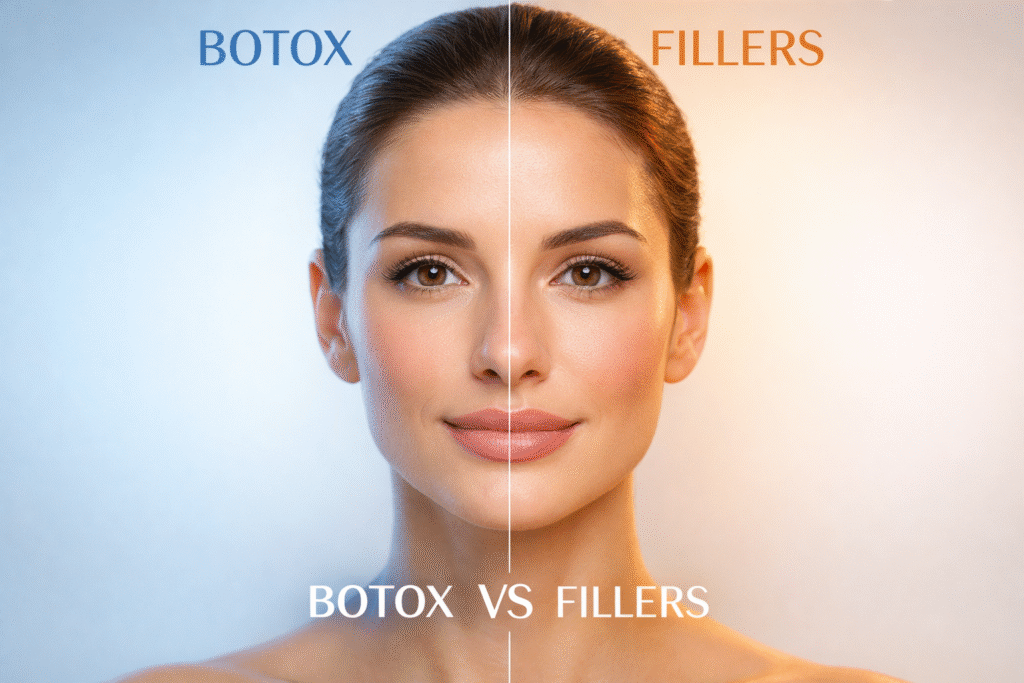
The debate around Botox vs fillers has never been more relevant than it is in 2026. With advancements in aesthetic medicine, improved injection techniques, and a growing demand for natural-looking results, patients are more informed, and more curious, than ever before. Yet despite their popularity, there is still widespread confusion about fillers vs Botox, how they differ, and which option is best for individual concerns.
At Tatoyan MD Medspa, we specialize in advanced, personalized aesthetic treatments that enhance your natural beauty rather than change it. This comprehensive guide will explore botox vs dermal fillers in depth, covering how they work, their benefits, costs, longevity, side effects, and how to decide which treatment, or combination, is right for you.
Whether you’re researching Botox vs fillers for wrinkles, wondering about lip fillers vs Botox, or comparing Botox vs fillers cost, this is your complete, up-to-date resource.
Understanding Facial Aging: Why Botox and Fillers Exist
To understand the difference between Botox and fillers, it’s important to first understand how and why the face ages. Facial aging is a complex process caused by several overlapping factors. Repetitive facial movements gradually create expression lines, while the natural loss of collagen and elastin leads to thinner, less resilient skin. Over time, facial fat pads shrink and shift downward, and even the underlying bone structure changes through resorption. Gravity, sun exposure, and environmental damage further accelerate these effects. Botox and dermal fillers were developed to target different aging mechanisms, which is why one treatment cannot replace the other.
What Is Botox?
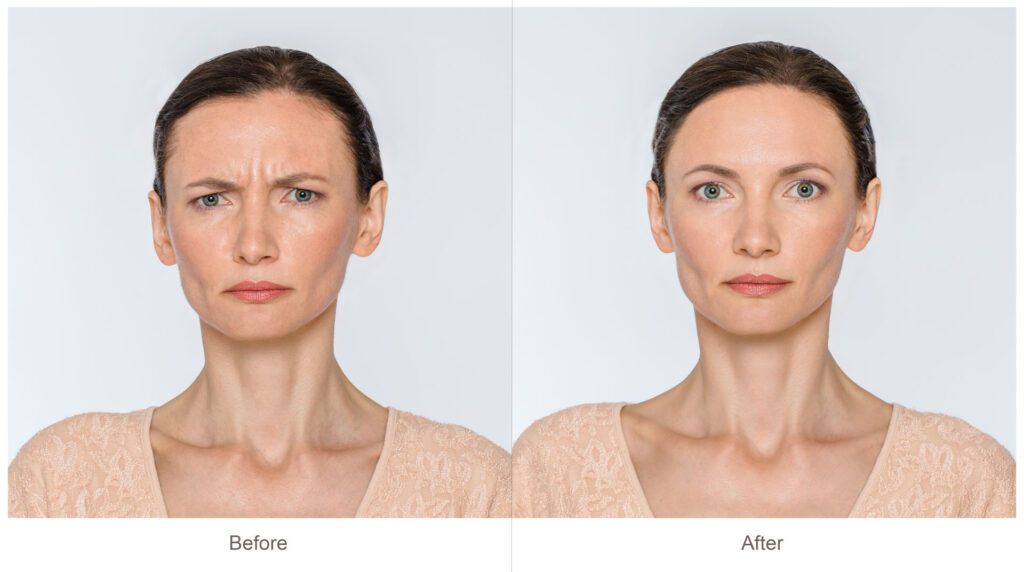
Botox is a widely used neuromodulator derived from botulinum toxin type A and is one of the most effective non-surgical treatments for facial aging. In cosmetic medicine, Botox is administered in very small, precisely controlled doses to temporarily relax specific facial muscles responsible for expression-related wrinkles. By limiting muscle movement, Botox softens existing dynamic lines and helps prevent new wrinkles from forming over time, making it both a corrective and preventative treatment.
How Botox Works:
Botox blocks nerve signals to targeted muscles, reducing repetitive facial movements that cause wrinkles. As the muscles relax, the overlying skin appears smoother and more refreshed, and the progression of deeper lines is slowed.
Common Botox Treatment Areas:
Botox is commonly used to treat forehead lines, frown lines between the eyebrows (glabellar lines), crow’s feet, bunny lines, and neck bands. It is also popular for a subtle lip flip and jaw slimming through masseter muscle relaxation.
Because of its versatility and proven results, Botox remains a cornerstone of modern aesthetic medicine.
Read more: How Long Does Botox Last?
What Are Dermal Fillers?
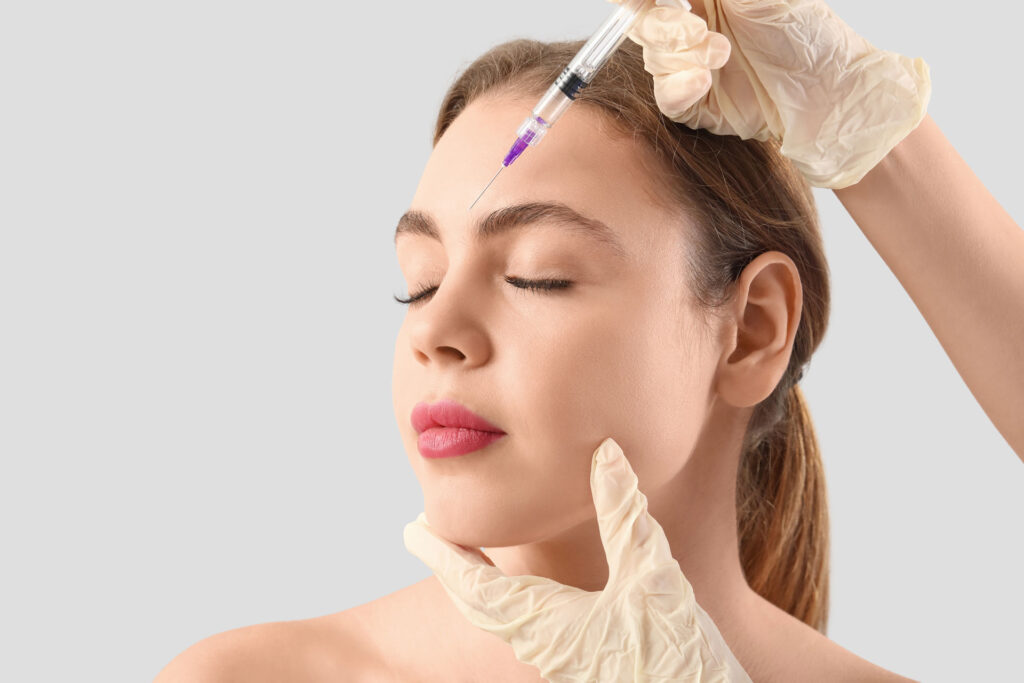
Dermal fillers are injectable gels used to restore lost facial volume, enhance natural contours, and smooth deeper lines that remain visible even when the face is at rest. As we age, the skin gradually loses collagen, fat, and elasticity, leading to hollowing, sagging, and more pronounced wrinkles. Dermal fillers are designed to address these structural changes rather than muscle movement.
Most modern dermal fillers are formulated with hyaluronic acid (HA), a substance naturally found in the body that attracts and retains moisture. This allows fillers to provide immediate volume, hydration, and support while maintaining a soft, natural feel.
Dermal fillers work by replacing lost volume, lifting and contouring facial features, improving symmetry, and smoothing static wrinkles. They are commonly used in areas such as the lips, cheeks, jawline, chin, smile lines, marionette lines, under-eye hollows, and temples. Fillers are ideal for patients experiencing volume loss, facial sagging, or those seeking enhanced facial definition with natural-looking results.
Botox Compared to Fillers: Key Differences Explained
Understanding Botox compared to fillers comes down to recognizing that each treatment is designed to address a different cause of facial aging. Botox focuses on relaxing overactive facial muscles that create expression lines, while dermal fillers restore lost volume and enhance facial structure. The table below clearly illustrates the key differences between botox vs fillers, helping patients understand why these treatments are often complementary rather than competitive.
| Feature | Botox | Dermal Fillers |
| Primary Purpose | Reduces muscle movement | Restores lost volume |
| Best For | Dynamic wrinkles caused by expressions | Static wrinkles and facial contouring |
| Results Timeline | Gradual results in 3–7 days | Immediate visible results |
| Longevity | Lasts approximately 3–4 months | Lasts 6–24 months |
| Texture | Liquid injectable | Gel-like injectable |
| Preventative Use | Yes, helps prevent wrinkle formation | Limited preventative benefit |
This comparison highlights why Botox vs fillers is not an either/or decision for many patients. When used together, they provide a more complete, natural-looking facial rejuvenation strategy.
Botox vs Fillers for Wrinkles
Wrinkle reduction is one of the most common reasons patients choose cosmetic injectables, but not all wrinkles respond to the same treatment. Understanding the difference between dynamic and static wrinkles is key when deciding between Botox and dermal fillers. While both options smooth the skin, they work in very different ways.
Dynamic Wrinkles: Botox Is the Gold Standard
Dynamic wrinkles are caused by repetitive facial movements and become visible when the face is expressive. Botox relaxes the muscles responsible for these lines, making it the preferred treatment.
Common dynamic wrinkles include:
- Forehead lines
- Crow’s feet
- Frown lines (between the eyebrows)
For these concerns, Botox vs fillers for wrinkles almost always favors Botox because fillers cannot stop muscle movement.
Static Wrinkles: Fillers Are More Effective
Static wrinkles are present even when the face is at rest and are caused by volume loss, collagen depletion, and skin thinning. Dermal fillers address these issues by restoring structure beneath the skin.
Common static wrinkles include:
- Smile lines (nasolabial folds)
- Marionette lines
- Under-eye creases
Because these wrinkles are structural rather than movement-related, fillers are the better solution. In many cases, combining Botox and fillers provides the most natural, balanced, and long-lasting wrinkle reduction results.
Lip Fillers vs Botox: What’s the Real Difference?
The comparison of lip fillers vs Botox is especially popular among patients seeking subtle, natural-looking lip enhancement. While both treatments improve the appearance of the lips, they work in very different ways.
Lip Fillers
- Add volume and fullness to the lips
- Improve lip shape and overall symmetry
- Hydrate the lips for a smoother appearance
- Provide noticeable, long-lasting results
Botox Lip Flip
- Relaxes the muscle of the upper lip
- Creates a subtle outward roll of the lip
- Enhances lip appearance without adding volume
Many patients choose to combine lip fillers with a Botox lip flip for optimal enhancement.
Botox vs Fillers Before and After Results
Looking at Botox vs fillers before and after results helps set realistic expectations and understand how each treatment works:
- Botox before and after results typically show smoother skin and a more relaxed appearance by softening expression lines in areas like the forehead, crow’s feet, and between the brows.
- Dermal filler before and after results highlight added volume, improved facial structure, and enhanced contours in areas such as the cheeks, lips, jawline, and smile lines.
- The best outcomes are subtle, balanced, and customized to the patient’s unique facial anatomy, ensuring natural-looking rejuvenation rather than an overdone appearance.
Botox vs Fillers Cost in 2026
When comparing Botox vs fillers cost, it’s important to understand that pricing is influenced by more than just the initial fee. Each treatment is priced differently based on how it works, how long it lasts, and the level of expertise required to achieve natural results.
Botox is typically priced per unit, with most treatments requiring between 20 and 60 units depending on the areas treated and the strength of the facial muscles. Because Botox results last about three to four months, maintenance treatments are needed several times per year. This gives Botox a lower upfront cost, but a higher long-term maintenance commitment.
Dermal fillers, on the other hand, are priced per syringe. Most patients need one to three syringes per session. While fillers have a higher initial cost, their results last significantly longer, often 6 to 24 months, making them a long-term investment.At Tatoyan MD Medspa, pricing reflects advanced injector expertise, premium medical-grade products, and fully customized treatment plans.
Longevity: How Long Do Results Last?
When comparing Botox vs fillers, longevity is an important consideration. How long your results last depends on the product used, treatment area, metabolism, and lifestyle factors.
- Botox Longevity
- Typically lasts 3–4 months
- Results may last longer with consistent treatments
- Provides preventative benefits by reducing repetitive muscle movement over time
- Filler Longevity
- Lips: 6–12 months
- Cheeks & jawline: 12–24 months
- Under-eyes: 9–18 months
- Longevity Factors
- Individual metabolism
- Lifestyle habits
- Treatment area and product selection

Fillers vs Botox: Pros and Cons
When comparing fillers vs Botox, understanding the advantages and limitations of each treatment helps patients make informed decisions.
Botox Pros
- Excellent for smoothing expression lines
- Helps prevent wrinkle progression
- Quick treatment with minimal downtime
Botox Cons
- Results are temporary
- Requires ongoing maintenance treatments
Fillers Pros
- Restore youthful facial volume
- Enhance and define facial contours
- Longer-lasting results compared to Botox
Fillers Cons
- Higher upfront investment
- Requires advanced injector skill for safe, natural results
Understanding fillers vs Botox pros and cons allows patients to choose the treatment best suited to their aesthetic goals.
Botox vs Fillers Side Effects
Both treatments are FDA-approved and safe when performed by qualified medical professionals, but side effects are possible.
Botox Side Effects
- Mild swelling or bruising
- Temporary headache
- Rare eyelid or brow drooping
Filler Side Effects
- Swelling and bruising
- Temporary firmness or tenderness
- Rare vascular complications
Choosing an experienced injector significantly reduces risks.
Botox or Fillers: Which Is Better?
There is no one-size-fits-all answer to the question Botox or fillers, which is better? The ideal treatment depends on several individual factors, including your age, facial anatomy, degree of volume loss, wrinkle type, and overall aesthetic goals. Botox is typically best for dynamic wrinkles caused by muscle movement, while fillers are more effective for restoring lost volume and enhancing facial contours. In many cases, patients achieve the most natural and balanced results through a customized combination of both treatments, tailored specifically to their facial structure and desired outcome.
Combining Botox and Fillers: The Liquid Facelift
A liquid facelift combines Botox and fillers to:
- Smooth wrinkles
- Restore volume
- Lift sagging areas
- Improve facial harmony
This approach delivers comprehensive rejuvenation without surgery and is a signature treatment at Tatoyan MD Medspa.
Why Choose Tatoyan MD Medspa for Botox and Fillers?
At Tatoyan MD Medspa, we are committed to:
- Advanced facial anatomy expertise
- Precision and artistry
- Natural, balanced results
- Personalized treatment plans
Our goal is not to change how you look, but to help you look refreshed, confident, and like the best version of yourself.
Frequently Asked Questions About Botox vs Fillers
1. What is the main difference between Botox and fillers?
The primary difference between Botox and fillers lies in how they work. Botox targets facial muscles by temporarily relaxing them, which helps smooth expression-related lines such as forehead wrinkles, frown lines, and crow’s feet. Dermal fillers, on the other hand, add volume beneath the skin to restore lost fullness, improve facial contours, and soften deeper wrinkles that are visible even when the face is at rest. This distinction is key when deciding between Botox vs fillers.
2. Can fillers replace Botox?
No, fillers cannot replace Botox. While fillers are excellent for restoring volume and structure, they do not address muscle movement. Dynamic wrinkles caused by repetitive facial expressions require Botox to relax the underlying muscles. This is why fillers vs Botox are often used together rather than as substitutes.
3. Are Botox or fillers better for wrinkles?
The answer depends on the type of wrinkle. Botox is best for dynamic wrinkles caused by movement, while fillers are more effective for static wrinkles caused by volume loss.
4. Do Botox and fillers look natural?
Yes, when administered conservatively by skilled injectors, results look refreshed and natural.
5. How do I know which treatment I need?
A personalized consultation at Tatoyan MD Medspa ensures the safest, most effective treatment plan tailored to your goals.
Final Thoughts: Botox vs Fillers in 2026
The discussion around botox vs fillers continues to evolve, but one truth remains: the best aesthetic results come from understanding how each treatment works and using them strategically.
Whether you’re interested in wrinkle reduction, facial contouring, or preventative aging, Tatoyan MD Medspa offers expert care, advanced techniques, and natural-looking results.
Schedule your consultation today and experience the future of aesthetic medicine.